Major flooding along east coast projected, Wilmington North Carolina, Virginia and Washington DC on alert
Residents up and down the East Coast of the U.S. are on high alert for what has the potential to be a dangerous flooding problem over the next forty eight hours. Communities in Virginia, Washington DC, Wilmington North Carolina and as far north as Boston are preparing for the after affects of tropical storm Nicole. The latest tropical storm is now drifting north along the Atlantic Ocean and gaining momentum along the way. As the storm drifts off of the coast of Florida and back across the Atlantic the potential for it to grow in size and strength increases.
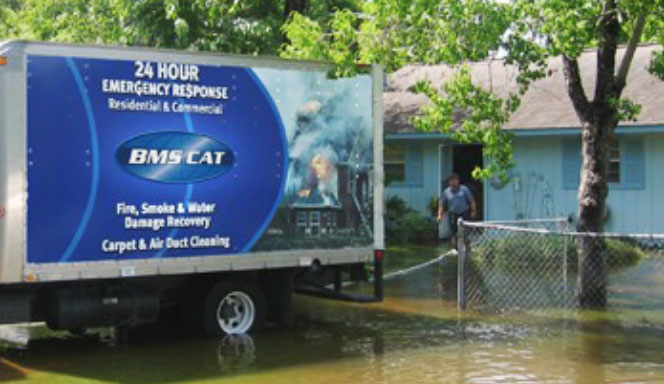
Residents in water logged Wilmington North Carolina are going to be forced to move to higher ground if they have not done so already. The latest tropical storm follows on the heals of eight inches of rain water that this area received earlier this week. Myrtle Beach and Wilmington appear to be two of the hardest hit areas from this weeks storm systems.
Early projections are calling for rain totals between six to eight inches all along the Mid-Atlantic. Depending on the amount and intensity of the rain, their is a high probability of flash flooding resulting from this storm. Personal safety should be the first priority for all residents. Homeowners with basements that have a potential for flooding are encouraged to remove contents to higher grounds, unplug electrical appliances and ensure that their downspouts are positioned to move water away from their residents.
Mid Atlantic Flooding via weather.com
Jarvis National Disaster response team will be following the development of the storm and will coordinate disaster relief efforts if necessary. Property owners in need of water damage restoration service can call our office 24/7 at 1-866-452-7847 for coordination of services or to rent restoration equipment.
Tropical storm Nicole takes aim at Florida and East Coast of U.S.
Communities from the Florida Keys to Norfolk Virginia are on alert as a tropical depression has gained strength in the Caribbean and begins its journey north today towards Florida. The latest tropical depression, soon to be named tropical storm Nicole is projected to hit Southern Florida early Wednesday. The storm is still gathering momentum and the exact strength of the storm and its projected path are yet to be determined as the storm could range from a tropical storm to minor hurricane, depending on the storms ability to form over the next 24 hours. The storms projected path indicates a line from Miami to the outer banks of the Carolina’s. Forecasters are predicting this storm to bring heavy rains and localized flooding, hitting areas that have already suffered from flash flooding throughout the course of the last week including Wilmington, North Carolina.
tropical storm nicole projected path via Weather.com
The latest tropical depression follows Tropical Storm Matthew which hit Central America and Mexico late last week. The tropical storm created a flooding disaster in numerous communities in the sparsely populated areas, including mudslides and flash floods. The Atlantic Hurricane season is close to ending as the air currents have shifted in the northern hemisphere making it more difficult for storms to make their way across the Atlantic Ocean.
The 2010 hurricane season has been extremely active, with numerous hurricanes forming this year. The majority of the storms have managed to stay away from the coastlines with a few exceptions. Tropical storm Nicole appears to have the most immediate chance of creating problems for property owners in Florida, Virginia and the Carolina’s through the course of this week. The most likely scenario is for water damage, caused by heavy rains and flooding. Should the storm grow in size over the next twenty four hours, their is potential for stronger winds in excess of fifty miles per hour, which could lead to additional problems. Unfortunately, the short notice and uncertainty of the storm strength will likely impact the pre-storm preventive measures property owners may normally take to secure windows (board up) and other non secure areas of their properties.
Wisconsin & Minnesota get battered by rain storms
A lingering rain storm has soaked the upper Midwest part of the United States over the past 48 hours and appears to be lingering in the area for a minimum of the next twenty four hours. The storms have produced rainfall in excess of ten inches in several communities in Wisconsin, creating flash floods and requiring emergency evacuations as a result.
wisconsin flooding map
The storms have created large areas if flash flooding and a potential disaster in the state. The governor has called for a state of emergency in Trempealeau county where the flooding has forced hundreds of homeowners to evacuate. The prospects for heavy rains to last through Friday evening could lead to additional counties being required disaster areas. The flood waters have been very destructive and multiple roads in the state have been forced to close as a result of the flooding.
The Midwest has faced an extremely aggressive weak of weather related challenges. Parts of Iowa were hit earlier in the week by hail storms and wind storms that amounted to a large amount of property damage. The flooding in Wisconsin and Minnesota will be closely monitored by the National Disaster response team at Jarvis. With regional offices in Iowa, Illinois and Michigan Jarvis’s water damage restoration team will be well positioned to respond to flood cleanup if necessary.
This is a developing story as many communities across the Midwest brace for the potential of heavy rains through the early part of the weekend as a cold front makes its way across the Midwest pushing the rain further east. In addition to the storms hitting Wisconsin and Minnesota, communities in the Gulf Region need to heighten their awareness as a large tropical depression has formed in the Caribbean and has the potential to move north through the Gulf over the next week towards the U.S. coastline.
Large storm hits Iowa creating flash flooding for Marshalltown & Newton areas
A large thunderstorm system is working its way across the state of Iowa on Tuesday and creating isolated flash flooding problems along the way. The storm has carried heavy rains and communities from Marshalltown to Des Moines are reporting areas of isolated flash floods as a result. The latest storm provided minimal warning to property owners and residents today, as it developed in the western part of the State late this morning.
Iowa has had another year of challenges due flooding, with early estimates projecting the State to spend upwards of $200 million dollars for cleanup and repair from flooding this year alone. Almost every major city in the State has been impacted by flooding this year. Amongst the worst hit communities included Ames Iowa and the campus of Iowa State University which was a victim of severe flooding in August, with property damage to twenty campus buildings as a result. The repair process for Iowa State could take several months, thankfully there have been minimal personal tragedies in Iowa due to the flooding this year.
Presently their are 11 counties in Iowa that are under a flash flood warning. This is a developing story that we will follow throughout the day and deploy water damage restoration personel to assist with cleanup. Should the flooding become a large scale disaster, Jarvis will send in extra personal from their National Disaster Restoration Center as needed.
**Update** as of 1:45 Central Time there are now reports of hail hitting the Northern Cedar Rapids area. Hail size has been spotted as large as two inches in diameter and several more counties are issuing thunderstorm warnings as the storm moves east towards Illinois.
Big storms equal big flooding disasters and lengthy renovations
As communities from Mexico brace for the impact of Hurricane Karl, residents in New York City are busy trying to clean and repair their properties from a large unexpected thunderstorm that hit the countries largest city on Thursday. Tens of thousands of New Yorkers were stranded without transportation as several of the cities larges subway rails were forced to close down. The storm which carried winds in excess of sixty miles per hour, resulted in down power lines and trees across the city. 2010 is going to be regarded as one of the most destructive eras in history from weather, and to date most of the major hurricanes have avoided making contact with landfall. Hurricane Karl hit landfall in Mexico today as a category three hurricane with winds in excess of eighty miles per hour. The storm arrived on shore just miles away from a nuclear power plant, but there have been no reported damages to the facility at this point.
Hurricane Karl image near Mexico
The Midwest was not immune to the recent thunderstorm activity as tornadoes touched down in southern Ohio and heavy rain brought flooding in and around Lansing Michigan over the past twenty four hours. The severe storms follow a summer of harsh conditions for Michigan and Ohio which have seen a number of tornadoes touch down this year, causing hundreds of properties to experience wind, hail and water damages.
Residents of Ames, Iowa have spent the last thirty days trying to regroup following their devastating flooding from earlier this year. The centerpiece of the flooding disaster was the devastation that was caused to the Iowa State University campus, which saw flooding damages to 18 building, including the schools gymnasium which was completely underwater. The initial estimates for repairs to this facility are north of fifty million dollars. The school is working with FEMA to help cover a large portion of the cost from the flooding disaster. Iowa has been one of the hardest hit states from flooding with over two hundred million dollars in damages recorded this year alone.
Devastation from weather related disasters has hit almost every region across the globe this year. From devastating floods in China, Pakistan and Poland to local disasters in Oklahoma City, Nashville and Rhode Island earlier this year. The amount of devastation from flooding alone will be regarded as unprecedented for the decade.