Oil spill disaster in Gulf of Mexico getting worse
The massive oil spill from a offshore drilling platform that exploded last week has the potential to be larger that the Exxon Valdez disaster. Residents up and down the Gulf Coast are bracing for the contaminated waters to reach landfall, which is expected within the next forty eight hours. The disaster has the potential to be one of the worst environment catastrophes of all time as there appears to be no foreseeable solution to capping a ruptured oil line than is leaking an estimated 40,000 gallons of oil per day into the ocean.
The Coast Guard has been working to help protect select areas of shoreline with specialized booms which are designed to help capture the oil and contain the water in specific areas. In addition, the Coast Guard began to test an experimental process of burning the oil at sea. The controversial process of setting the oil on fire was deemed to have less environmental impact.
The United States government has stepped up their efforts to help with the massive cleanup process. On Thursday, President Obama designated the disaster to be of “National Significanceâ€. The move allows the government to seamlessly transfer personnel throughout the country to assist with the disaster cleanup. The U.S. Army was being dispatched as representatives from BP, operators of the well were reaching out to all possible agencies for assistance in cleaning up the disaster. The largest concern is that there is no foreseeable solution that has been identified as a way to cut off the oil flow, which has the potential to produce nearly 4.2 millions gallons of oil. The most viable solution presented to date would be drilling a new pipeline in the vicinity of the oil spill to help alleviate pressure from the current broken pipe and reduce the outflow of oil until a cap can be placed on the broken pipelines.
The environmental impact from this disaster could have an enormous impact on the entire Gulf Coast region and could take years to properly cleanup. New Orleans and Biloxi are no strangers to surviving disasters as evidence with their ability to bounce back from Hurricane Katrina and this will mark yet another test for residents in these communities to deal with. Disaster recovery experts and who specialize in oil spills are continuing to arrive in the region to help assist with the cleanup efforts. Environmental groups such as Greenpeace are also offering assistance with wildlife relocation.
Mississippi and Louisiana devastated by tornadoes
Residents throughout rural Mississippi are calling the recent damages caused by this weekends tornadoes the worst since Hurricane Katrina struck land back in 2005. Over the course of last weekend an estimated sixty tornadoes struck a number of southern states including Louisiana, Arkansas, Alabama and Mississippi. With over thirty tornadoes ripping through the state of Mississippi alone, the property damages could quickly run into hundreds of millions of dollars. Early indications were that over 700 properties had been severely damaged due to the tornadoes.
The tornadoes caused a significant amount of damage in many areas as winds were clocked in excess of seventy miles per hour. The Governor of Mississippi, Haley Barbour was pushing for the Federal Government to offer financial assistance to communities that have suffered the largest losses. It is certain that FEMA would become involved in many areas of Mississippi as cleanup and recovery efforts were underway.
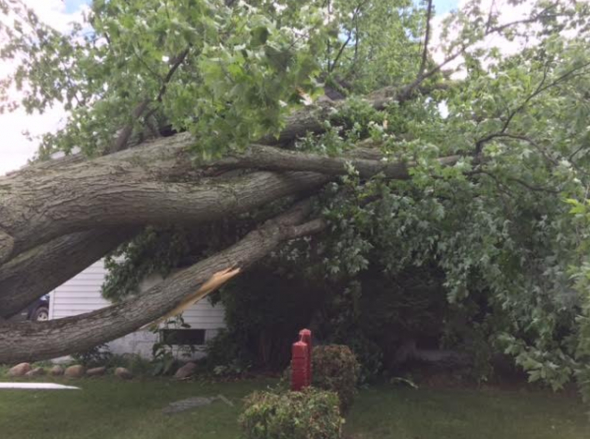
Television news stations were predicting in the early morning hours on Saturday that many areas of the south had a strong possibility of tornadoes occurring with the weather patterns and atmospheric pressure creating perfect conditions for tornadoes to originate. Despite numerous warnings, tragically there were several fatalities as a result of the severe weather. In Yazoo county Mississippi, one of the areas that was hit hardest by the storms, many of the roads were closed as trees and debris were blown all across the highways, further impeding the cleanup efforts.
Paige Roberts, who heads the Mississippi chapter for the Red Cross is requesting additional volunteers and cash donations to help victims recover. Cleaning up and repairing properties that suffered the most severe damage will likely last the entire summer. Residents who have suffered property damages should be contacting their insurance companies as well as reaching out to FEMA for financial assistance in their recovery efforts.
Wet basements need to be dried out quickly
A wet basement is an upsetting thing to discover in a home or business. The first reaction is often that of shock and dismay when you discover dirty, cold water standing on your floors and invading items important to you.
Depending upon the extend of the damage to your basement you have two choices. You can call us and we will arrive shortly to take complete control of the situation and get the clean-up process underway, or you could tackle the chore yourself provided that you have access to the type of equipment needed.
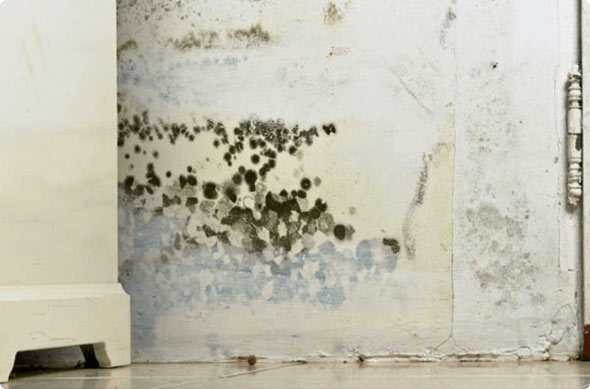
It is very important that a wet basement be dealt with immediately. Not only is it vital to remove and dry your valuables that may have become wet, but it is also very important that the entire area be dried completely so that dangerous and potentially very harmful mold does not have the chance to begin developing. Most property owners are unaware the mold can begin to grow within the first forty-eight hours. Mold growth may not always be visible as it could begin growing behind damp walls, in cupboards and closets, crawl spaces and around pipes, where your initial visual inspection may have missed.
If you are thinking about trying to do a DIY home drying project, make sure you have the right equipment. Depending on the amount of standing water, you may soon realize that calling in a professional could be a wise investment. Shou you wish to do the job yourself, the first thing you should do is to ensure that the electricity is turned off to the affected area. Once this is done, utilize a pump and get to work at removing the standing water. Water extraction pumps can be rented at most rental centers or they can be purchased at hardware and home improvement stores. Avoid the temptation of turning up the heat in the basement as this will cause a great deal of humidity which will increase the likelihood of mold growth. Instead, bring fans into the area which will help to dry the basement and get the air circulating. You will need to move a couple of dehumidifiers into the basement once the standing water is pumped out so that the moisture in the air is reduced.
As you can see, it is not an easy task to dry a wet basement and that is why most homeowners elect to work with a professional restoration firm. Our team highly trained professionals can help make the cleanup process more effient and elminate any doubts of mold growth. Ulizing the latest technology and equipment necessary to clean up the mess and get your life back on track. We use industrial strength water extraction systems, desiccant dehumidifiers and high grade chemical solutions to quickly dry out and clean the area and your items that have been subjected to the water. Although your situation may seem hopeless, rest assured that we have the manpower and the know-know to return things to normal as quickly as possible.
CNN Reports storm season off to a slow start
CNN posted an interesting article today covering the severe weather season and the extremely mild spring that most of the nation has experience to date. According to data compiled from the National Weather Service Prediction Center. The agency which is responsible for tracking and predicting thunderstorms across the U.S. has indicated that to date, this has been the mildest spring on record.
The agency has indicated that to date 2010 is shaping up very similar to weather patterns that were experienced in 2005. The bad news is that 2005 turned out to be one of the worst years for severe weather storms and tornadoes. A record number of tropical storms and hurricanes hit landfall in 2005, including seven hurricanes that were categorized as a Category 3 or higher including Katrina and Wilma which caused billions of dollars in property damage in Florida, Mississippi and Louisiana. Hurricane Katrina has been recognized as one of the most devastating disasters to ever occur in the U.S. due to the amount of damages inflicted on the city of New Orleans.

hurricane katrina aftermath photo
Severe thunderstorms are most problematic in the months of April, May and June and hurricane season generally begins in late July and runs through October. The majority of hurricanes to hit landfall arrive on the coastline of the Gulf of Mexico. The mild weather has certainly helped communities such as Fargo, Moorhead and Cedar Rapids avoid major flooding to date. East Coast residents would probably point out that they have experienced some of the worst flooding in history following torrential rain fall in early March. The East Coast suffered through a challenging winter with many cities receiving record amounts of snowfall. The flooding that Rhode Island experienced was headline news for several weeks and efforts to clean up the highly publicized flood damage to the Warwick Mall are still in process.
Cleaning up volcanic ash
Volcanic ash has been widely publicized in the news recently as much of Europe has been covered in dust following a large volcano eruption in Iceland late last week. Cleaning up a property from volcanic ash should be considered a priority for homeowners and businesses, but should not be done immediately due to the health risks involved of being outdoors. In Europe, the leading health organizations (WHO) are recommending that residents avoiding being outdoors as the ash dust particles can be extremely hazardous if they are inhaled. The dust particles are a combination of pulverized rock and glass known as tephra.
For property owners the largest risk associated with the volcanic ash is damage to a properties roof. The tephra is know to cause roofs to collapse if large accumulations occur. Cleaning up the ash is difficult because it does not dissolve in water and is known to conduct electricity. Large accumulations of tephra are bad for the ecological system and can be extremely destructive to agricultural areas.
In much of Europe the immediate impact of the volcanic ash is a disruption to air travel. Almost all flights in and around Europe have been cancelled for the past two days and scientists are yet to predict when the air quality will be improved to allow for safe air travels. The problem with large amounts of volcanic ash in the air is that it impacts visibility and can damage an airplanes engines. The cleanup and repair efforts from the volcanic ash could run into the billions of dollars across Europe. There will certainly be advisory recommendations to follow for properly cleaning and disposing of the ash in the upcoming days from leading science organizations to help promote the proper techniques for cleaning up the tephra.