Black mold finds a home in Macomb County Jail
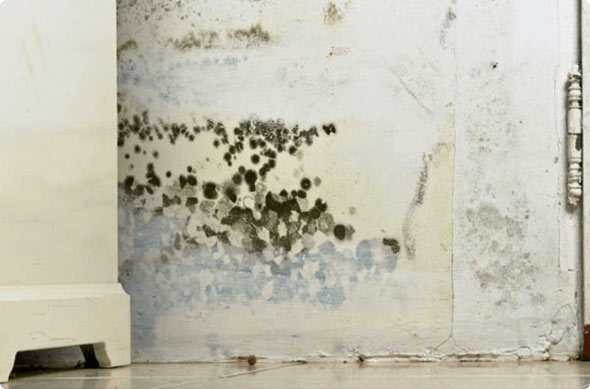
Toxic black mold has officials at the Macomb county jail scrambling to find ways to keep their food refrigerated. Headlines in major Detroit area papers today are focused on a story from the Macomb County Jail, where inmates are forced to eat sandwiches for the past month due to evidence of black mold in the jails freezers. The freezers are presently undergoing rigorous testing to determine the severity of the mold problem, with a strong possibility that all seven of the freezers requiring replacement. It is believed that the black mold started to grow when moisture settled on the roof area causing the mold to grown when the temperatures inside of the freezer began to rise.
Black mold is one of the largest problems that can arise from water and flood damage in a home. In as short as forty eight hours, mold spores can begin to grow on many types of surfaces. Simply cleaning and removing the evidence of mold may not be a long term solution. If the original moisture source has not been contained, then eliminating the possibility of future mold growth is very unrealistic. Mold spores are constantly in the area, but require moisture and the proper food source (wood, paper, food, carpet, etc) to start to grow. Mold spores will continue to grow and spread until the moisture issue is properly resolved. As with the Macomb County Jail story, there are certain items that once become contaminated with mold can not be salvaged and will need to be discarded.


The EPA (Environmental Protection Agency) has a good list of things everyone should be aware of in understanding mold and its side effects.
• Potential health effects and symptoms associated with mold exposures include allergic reactions, asthma, and other respiratory complaints.
• There is no practical way to eliminate all mold and mold spores in the indoor environment; the way to control indoor mold growth is to control moisture.
• If mold is a problem in your home or school, you must clean up the mold and eliminate sources of moisture.
• Fix the source of the water problem or leak to prevent mold growth.
• Reduce indoor humidity (to 30-60% ) to decrease mold growth by: venting bathrooms, dryers, and other moisture-generating sources to the outside; using air conditioners and de-humidifiers; increasing ventilation; and using exhaust fans whenever cooking, dishwashing, and cleaning.
• Clean and dry any damp or wet building materials and furnishings within 24-48 hours to prevent mold growth.
• Clean mold off hard surfaces with water and detergent, and dry completely. Absorbent materials such as ceiling tiles, that are moldy, may need to be replaced.
• Prevent condensation: Reduce the potential for condensation on cold surfaces (i.e., windows, piping, exterior walls, roof, or floors) by adding insulation.
• In areas where there is a perpetual moisture problem, do not install carpeting (i.e., by drinking fountains, by classroom sinks, or on concrete floors with leaks or frequent condensation).
• Molds can be found almost anywhere; they can grow on virtually any substance, providing moisture is present. There are molds that can grow on wood, paper, carpet, and foods.
Home owners should be on alert for unexpected airborne containments in their home. Insurance companies create different policies and procedures for addressing items such as mold damage, flood damage, Chinese drywall, and other defective materials in your home. When in doubt, start by contacting a restoration company or bio hazard company that can properly diagnose the cause and degree of the problem.
Smoke detectors make great holiday gifts
Give the gift of smoke detectors this holiday season. If you are searching for a great gift idea as the holiday season is closing down, consider giving the gift of a smoke detector. Smoke detectors can be a family or business first and only line of defense in helping to reduce the risk of injury from a fire. There have been numerous studies that have been conducted that show smoke detectors can greatly increase the possibility of survival during a fire.
Smoke detectors should be installed in multiple areas in and around your home. The national fire protection agency recommends guidelines for both business owners and homeowners to follow for proper installation of home smoke detectors. There are two types of smoke detectors that are available for detection, each of which has its pros and cons:
Ionization – Detectors work best in detecting fires from flames. These detectors work by smoke interrupting the flow of ions between two electrical plates, which then trigger the smoke alarm.
Photoelectric – Detectors work best in detecting fire from smoldering. These detectors are designed to use a light source and a special chamber that captures smoke in a reflection, triggering an alarm.
Residential and commercial properties will have different types of code requirements to follow, but there are some universal guide lines for proper installation that everyone should know about. As a general rule of thumb, smoke detectors should be on every floor of a property, and located no more than thirty feet apart. Smoke detectors that combine flashing lights are recommended for commercial properties. Avoid installing smoke alarms near doors or windows, which could disrupt the normal airflow and delay the response of a smoke alarm. Smoke alarms should be mounted on ceilings or walls, as smoke rises the alarm will be triggered earlier. Battery operated smoke alarms should be changed twice a year and tested on a monthly basis. Hard wired smoke alarms in business or personal residences should have a battery backup source, with a minimum of twenty four hours of additional life built into these systems.
The best part about including a smoke alarm as a stocking stuffer this holiday season, is that they are quite inexpensive ($5-50 depending on the manufacturer) and can provide a lifetime of peace of mind.
Ikea store under water, Jarvis emergency services deployed
All across the Southeastern Michigan, television and print media have been reporting today that Ikea in Canton is closed due to flooding. Jarvis Property Restoration responded to help with water damage restoration. Emergencies are never planned, and retail stores can ill afford to close their doors, especially during peak holiday season. Unfortunately customers who visited the Metro Detroit area Ikea learned today that the store would likely be closed for at least the next twenty four hours.

It appears that the stores sprinkler system malfunctioned during the early morning hours. The three hundred thousand square foot complex experienced significant water damage, originating from the second floor. Jarvis emergency crews arrived early in the morning and began extracting water and establishing a plan to thoroughly and efficiently dry down the retail store. Working in conjunction with the store management and code supervisors, the team immediately began working to minimize damages.
Ikea is one of the worlds largest specialty retail stores. The retailer was founded by Ingvar Kamprad, out of Sweden over sixty years ago. Today, the company operates over three hundred retail stores across the world. Their highly recognizable brand has helped them create a loyal customer base that often leads to customers driving hundreds of miles to visit one of their locations. Shoppers who were turned away in Michigan due to the unexpected flood will need to travel to Pittsburg PA, Westchester Oh, Toronto ON or shop on the companies website.

Jarvis Property Restoration is a Michigan based emergency restoration firm, founded over thirty years ago by Sheryl and Bill Jarvis. The company has worked extensively in disaster restoration including playing a pivotal role in helping to restore over 28 government buildings following severe flooding in Lynn County, Iowa after the Cedar River flooded the area.
The following media outlets have been following the developing news story.
Severe weather hits the midwest as winter arrives
Severe weather hits the Midwest as winter finally arrives. The official start of winter weather arrived with gusty winds and freezing temperatures that have left thousands of home owners across the region without power. The year’s first snow storm has dropped one to three feet of snow in areas across the great lakes. Most of the country has seen a dramatic drop in temperatures combined with areas of wind gusting up to 40 mph, the countdown to spring is officially starting.
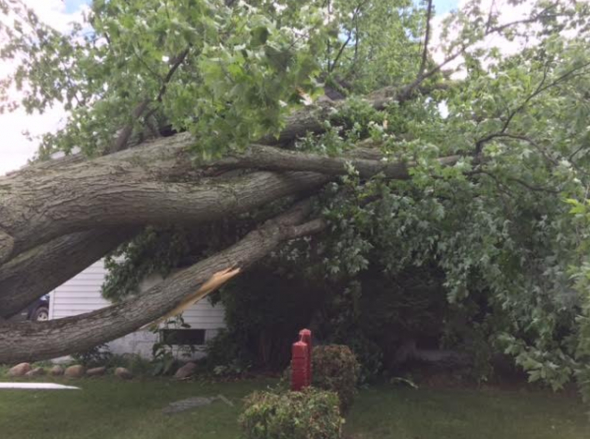
Winter weather can cause numerous problems for business and homeowners across the country. Combining sub zero weather and large wind gusts, trees limbs and electrical lines can quickly come under duress. The most important thing to remember is safety during these severe weather conditions. If you have a fallen electrical line, be certain to call your fire department and power company immediately. Fallen branches around your home should be addressed only if they can cause further damage, such as landing on a roof top or vehicle. If your home loses shingles and you need emergency roof repair, a temporary tarp can be applied to help keep elements out of your home.
Homeowners who lose power should face further challenges, as the sub zero temperatures can quickly drop the temperature of your home to dangerous levels. It is important to monitor your properties temperature to avoid the potential of pipes freezing and further property damage. You can help prevent water from freezing in the pipes by opening the hot and cold water faucets and allowing a slow water outflow.
Sub zero temperatures can be very dangerous for personal safety. You should avoid traveling when possible and dress in extra layers to protect yourself from the elements. If you have friends or family that is elderly, it’s a good idea to check in on them and offer some assistance during these challenging times. Avoid spending unnecessary time outdoors as the wind chill could lead to frost bite.
A good time of year to review your home insurance coverage
Year end of your homeowners insurance should be on your to do list this month. Homeowners insurance is one of the necessary evils of property ownership. The monthly expense is a bill than brings peace of mind knowing you and your property are covered in the event of an emergency.
An unexpected home emergency is the worst time to find out you lack the necessary coverage with your insurance policy. Dwelling and homeowners insurance is usually required for homeowners who have properties that are financed or secured through a mortgage loan. Homeowners who own their properties free and clear are not required to have insurance on their homes, but most property owners elect for coverage.
There are a number of areas of insurance coverage that are often taken for granted by unsuspecting homeowners and could lead to items lacking sufficient or total coverage. A good place to start is to review your coverage for items damaged by water and storms. Storm damage could lead to home flooding or basement flooding, which can create significant damage and lead to mold growth if not properly repaired. In many policies your insurance company does not cover flooding that is a result of a storm. Water that enters your home through the foundation or walls of your property is an area that tends to be excluded. Water damage that is a result of broken pipes, sump pumps or sewage back ups tend to be covered within most insurance policies. One particular area to examine within your policy is how the treatment of preexisting conditions are handled. Insurance companies will vary significantly on coverage for items such as mold, Chinese drywall remediation, and debris removal.
You can elect for a rider of coverage with most insurance companies to extend specialty coverage to items such as flooded (a great idea for homeowners with finished basements). The option of a rider or endorsement to your policy will likely raise your premium, but it can be an investment that pays off if an unforeseen emergency occurs around your home. Property owners can spend tens to hundreds of thousands of dollars in finishing a basement, proper insurance coverage will provide peace of mind with this investment. Homeowners that live in areas deemed to be a flood zone will need to obtain additional flood insurance through registered agencies. FEMA maps and outlines the flood zones across the country and there are typically three levels of flood zone risk that works in determine the required insurance premium for your property.